Updates 2026

Bomber Command Kit Bag
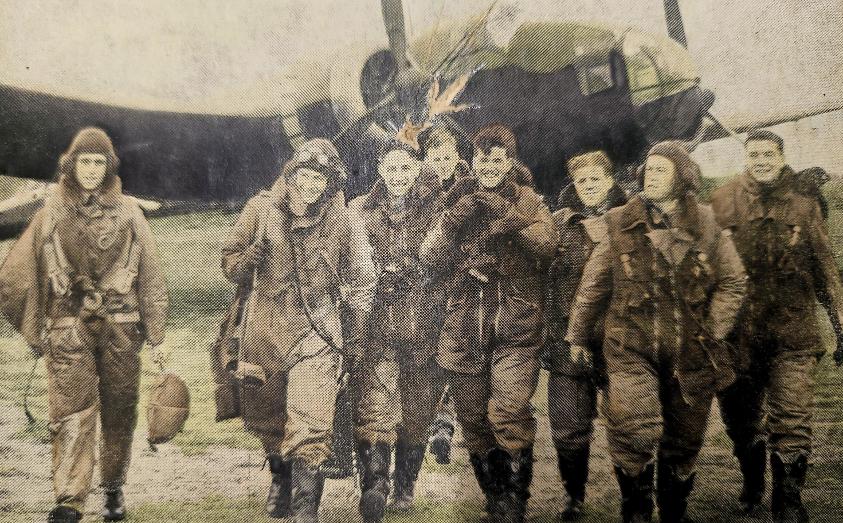
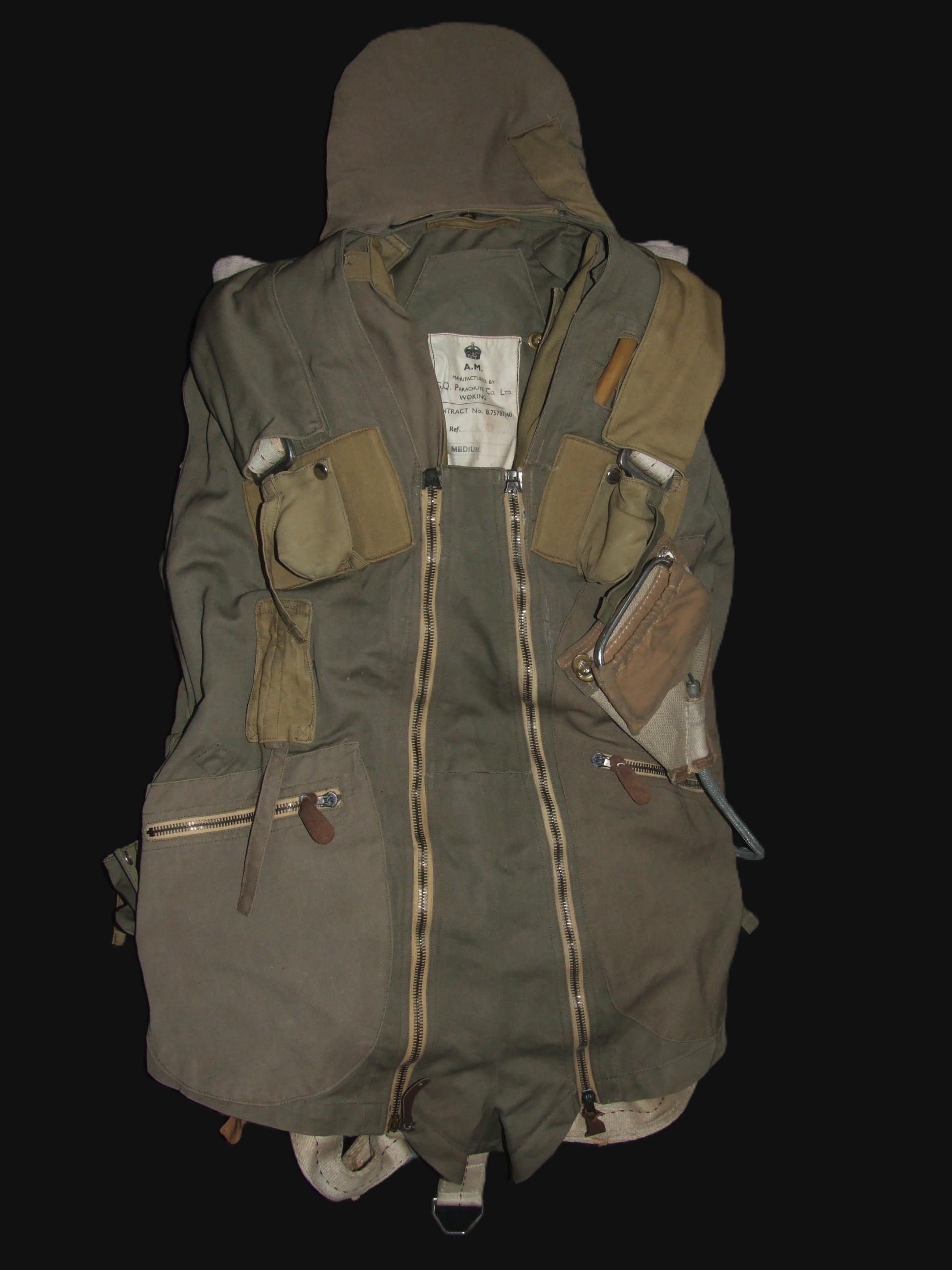
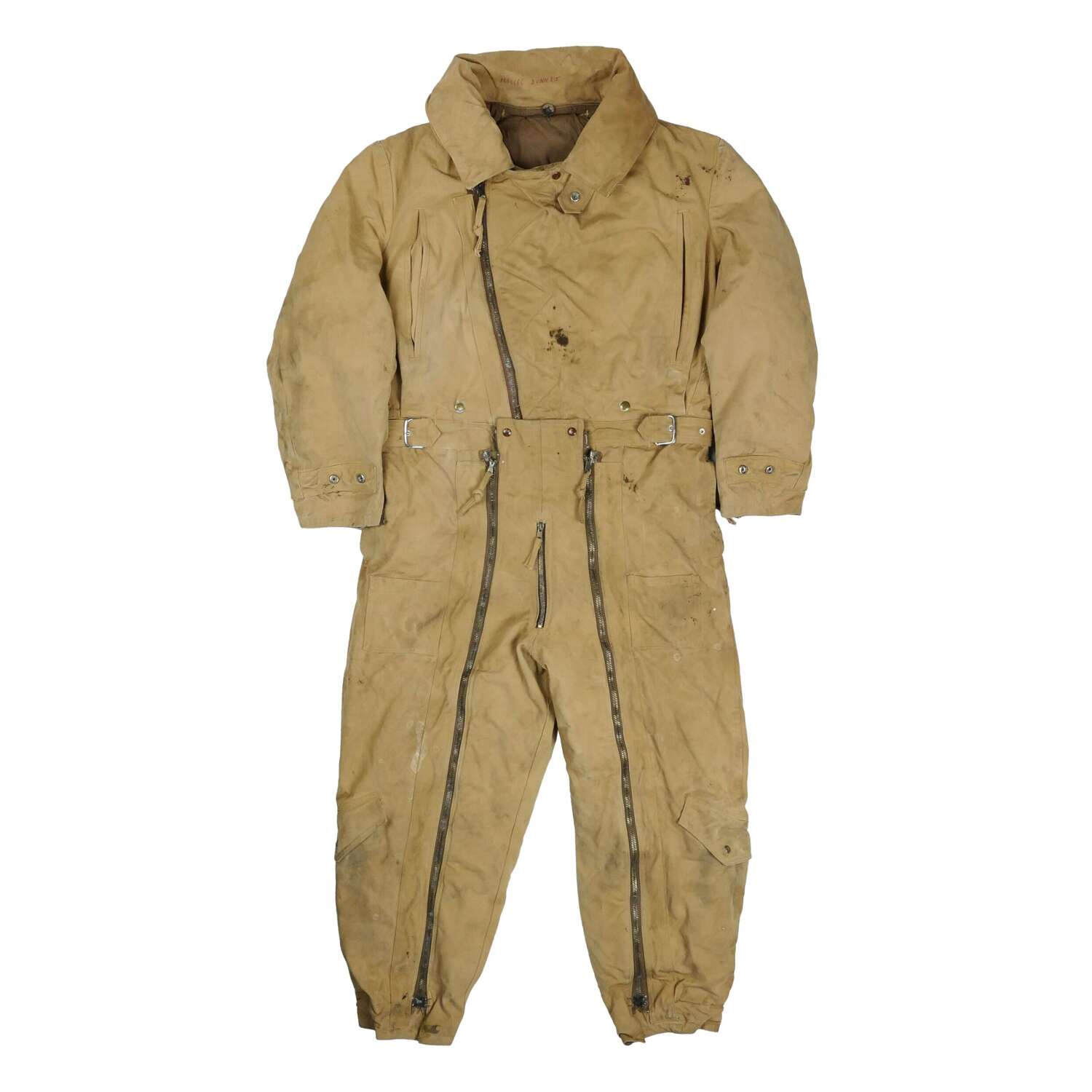
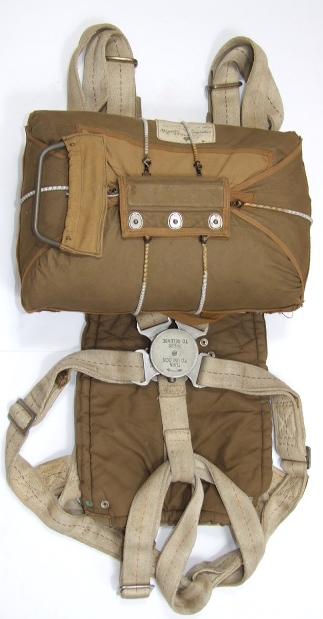
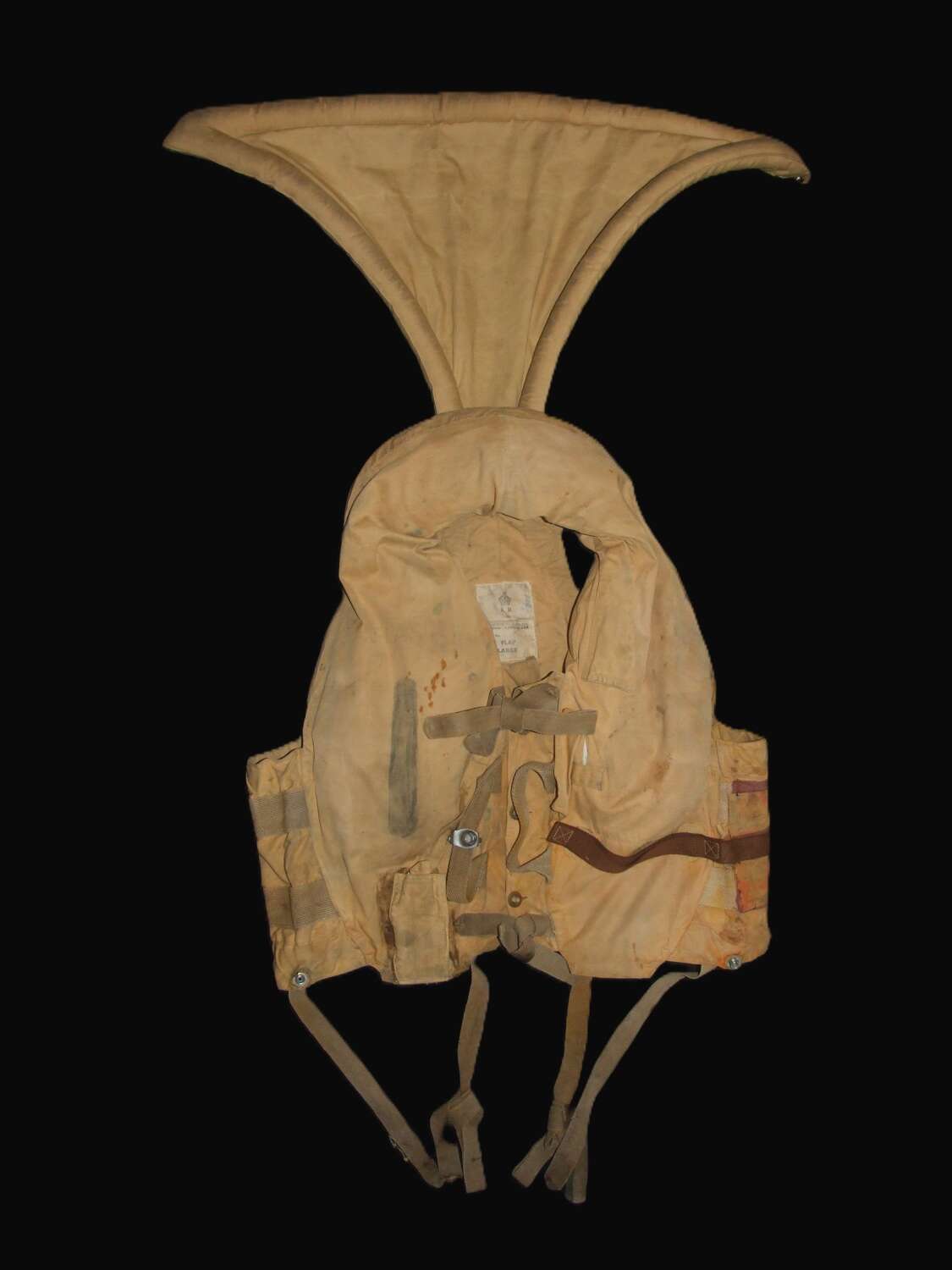
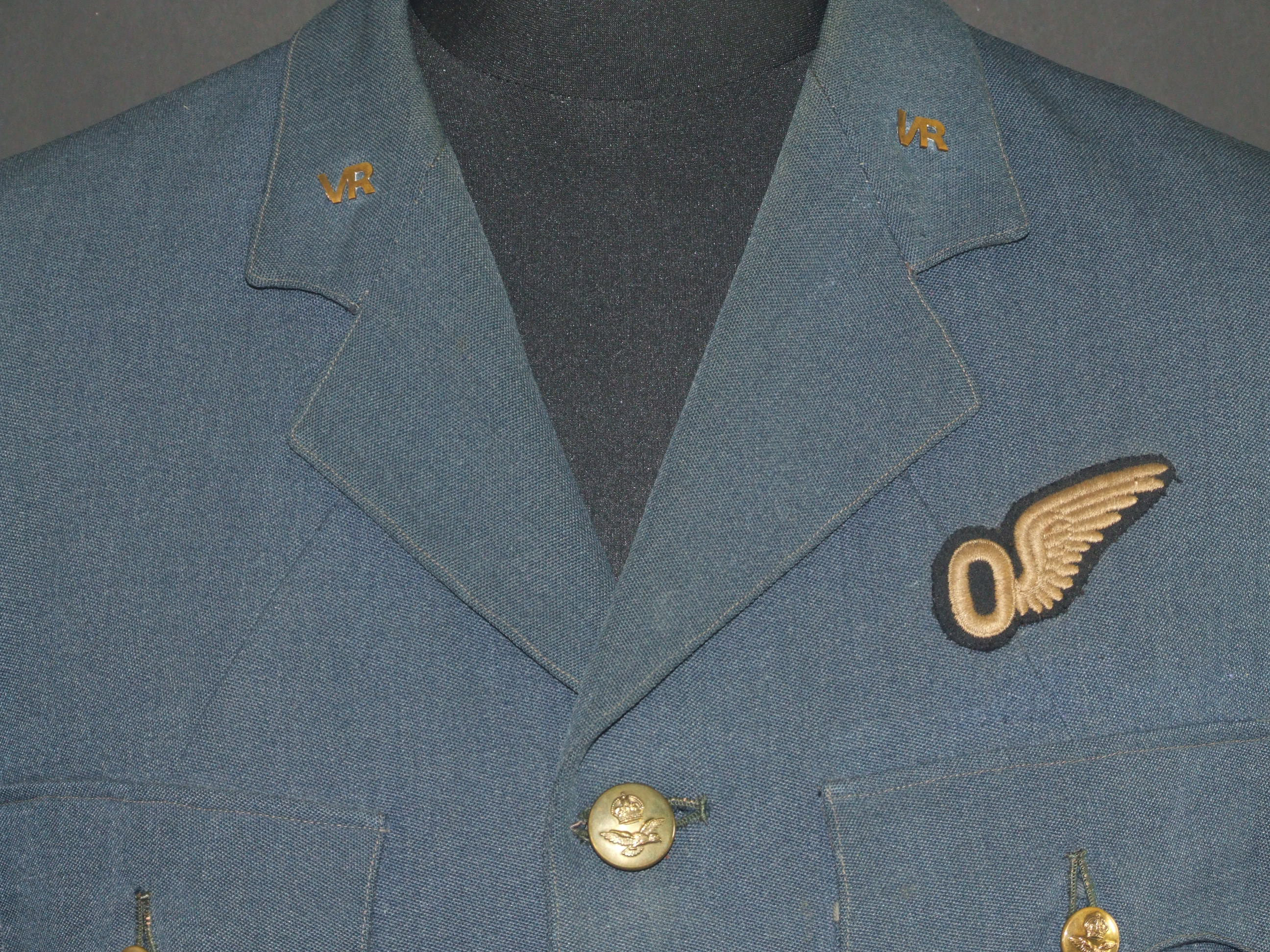
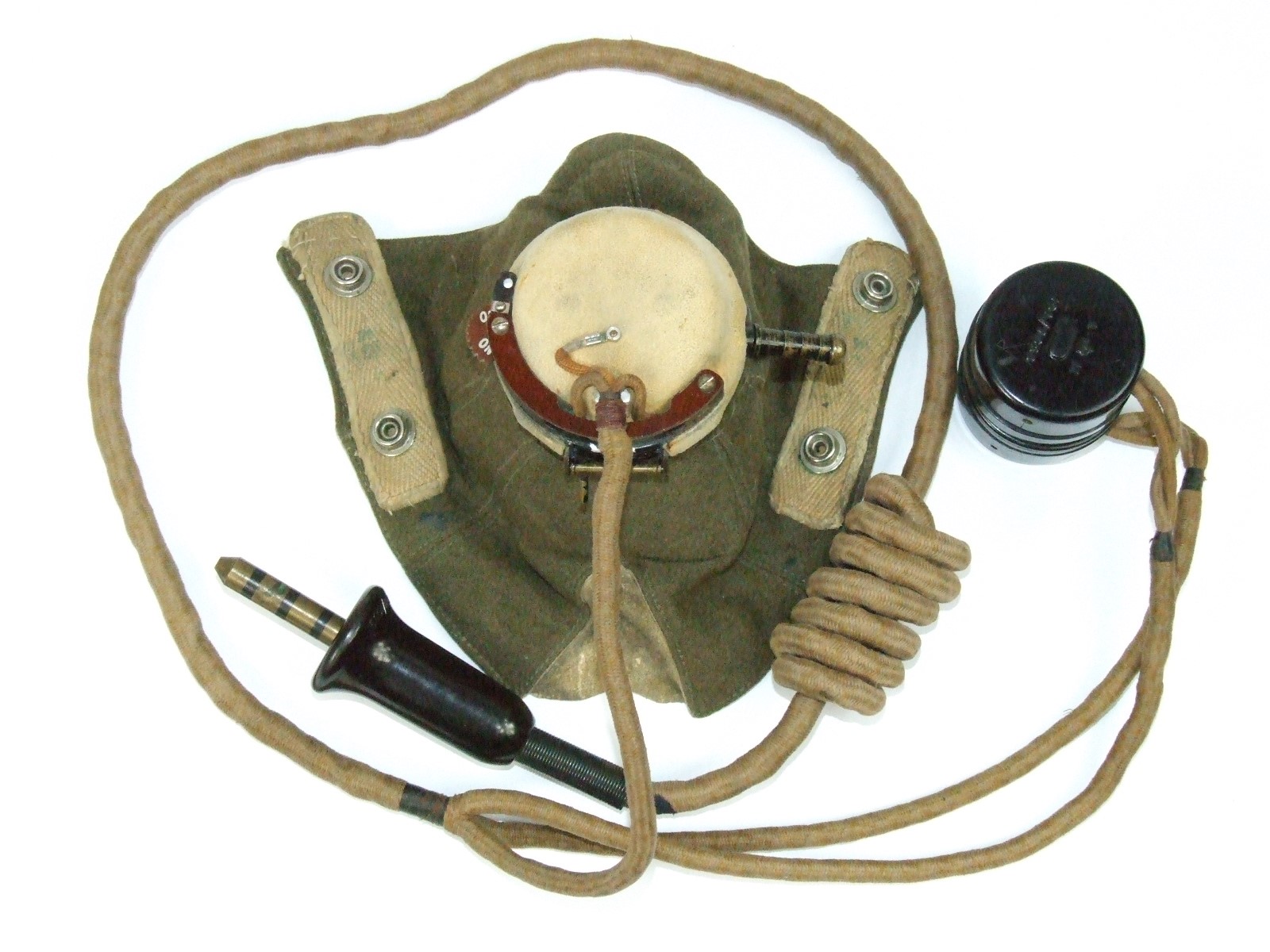
This past few years I have been collating photos and research in relation to flying clothing and equipment worn by Bomber Crew who flew over Europe during WW2. As you can imagine this has been an immense task and has taken a lot longer to collate than the equipment for the RAF and Luftwaffe Kit bag books. I had the privilege over the past decade of meeting and interviewing a few of the many to get there first hand accounts on the use and type of kit they were issued with. Its been a fascinating journey to produce a light touch guidance book for collectors, enthusiasts and modellers. as per the others in the kit bag series, I have tried to source relevant accounts and period images to illustrate the kit in use. The foreword has been written for me by Flt Lt Colin Bell DFC AE FRICS IRRV (Hons)
It was interesting being asked about the type of kit that I wore on operations during my time on the Light Night Striking Force, not one that gets asked often. I flew the De Haviland Mosquito with 608 Squadron (Pathfinder Group) based at Downham Market in Norfolk and completed 50 bombing raids - all over Germany- 13 of them over Berlin.
On reflection I really had no problems with kit. I just wore battledress under a Mae West as we were blessed with a well heated Mosquito. You did not need to wear Irving jackets and too much bulky equipment in the cockpit, there want really the room and as I say it was well heated. I remember we had escape maps issued and I carried a whistle on my battle dress for attracting attention if we ditched.
With regards what equipment I was issued, I had a C Type flying helmet with Mk VIII goggles and an oxygen mask, a Mae West, escape type flying boots and a parachute. We did have escape kit, combs with North seeking bars embedded in them, fly buttons to mount them on etc but the Germans knew all about this and confiscated them from aircrew as soon as they were captured.
I do recall a few issues with some of the earlier flying boots we were issued with,
Flying boots were initially a problem but later versions overcame this. The old type flying boots flew off if you had to parachute out, when the chute opened. The New type escape style boots overcame this problem. We had a chap who was a regular Dutch officer, insisted on wearing the old type flying boots and I told him “Harry if you have to bail out they will fall off” any way sure enough he got shot down and had to bail out as soon as the parachute opened and his boots fell off. He landed in a pine forest and could not walk anywhere because of the pine needles. The krauts soon found him, and he luckily didn’t bail out close to a city and as at the time I was operating if you bailed out by a city the Germans would smash you up, For Harry the local Bergomister found him and handed him over to the Luftwaffe. Within a few weeks the Americans released him, and he came back to the squadron to tell the story.
My seat parachute was covered with a K type dingy and a water container. All three were useful in absorbing shell splinters. They had special flak battery’s over Berlin and they used to hammer you on the way in and on the way out, you got a pasting. I got chased by an Me 262 on one occasion which was frightening. I took flak steel fragments in my parachute and dinghy on one particular sortie. It only needed 1 splinter to cut the elevator cable and you were finished.
If we needed to get out in a hurry the plan was always to exit via the floor hatch, thus avoiding the possibility of colliding with the tail plane, we could jettison the canopy if required. If we made it to the ground, I did carry a Smith & Wesson 38 revolver with 20 rounds of ammunition as civilian Krauts were being encouraged by Hitler and Goebbels to lynch aircrew on capture. I was determined to take some of them with me before it happened! Fortunately, it was never necessary. I was reserving the last bullet for myself. Worrying times!
The Mosquito I flew was not pressurised it was however exceedingly comfortable and warm; the heater had a butterfly nut which kept the heater leaver up and warm but if you lost the nut that retained the lever you froze. On one occasion I did freeze and had to be lifted out of the cockpit, very nearly frozen to death!
The Mosquito was an advanced aircraft, cruising about 350 mph, if you really needed to you could get up to over 400 mph but an Me 262 could overhaul us by 100mph and it had devastating fire power, it would cut you to shreds. It was important you didn’t let them get a visual on you. The night fighter Mosquitoes were in the main bomber stream, they didn’t think we needed any protection, we flew individually.
I look back on what we did and what we were issued with, and I wish I had kept some more items as souvenirs!
I think it is important that we record not only the details of the raids but also stories of the men and the kit that increased our chances of success and survival. I hope the readers enjoy finding out about what we went to war in and the ideas behind the development and use of each bit of kit and equipment.
Colin Bell
The book should be available quarter 3 of 2026
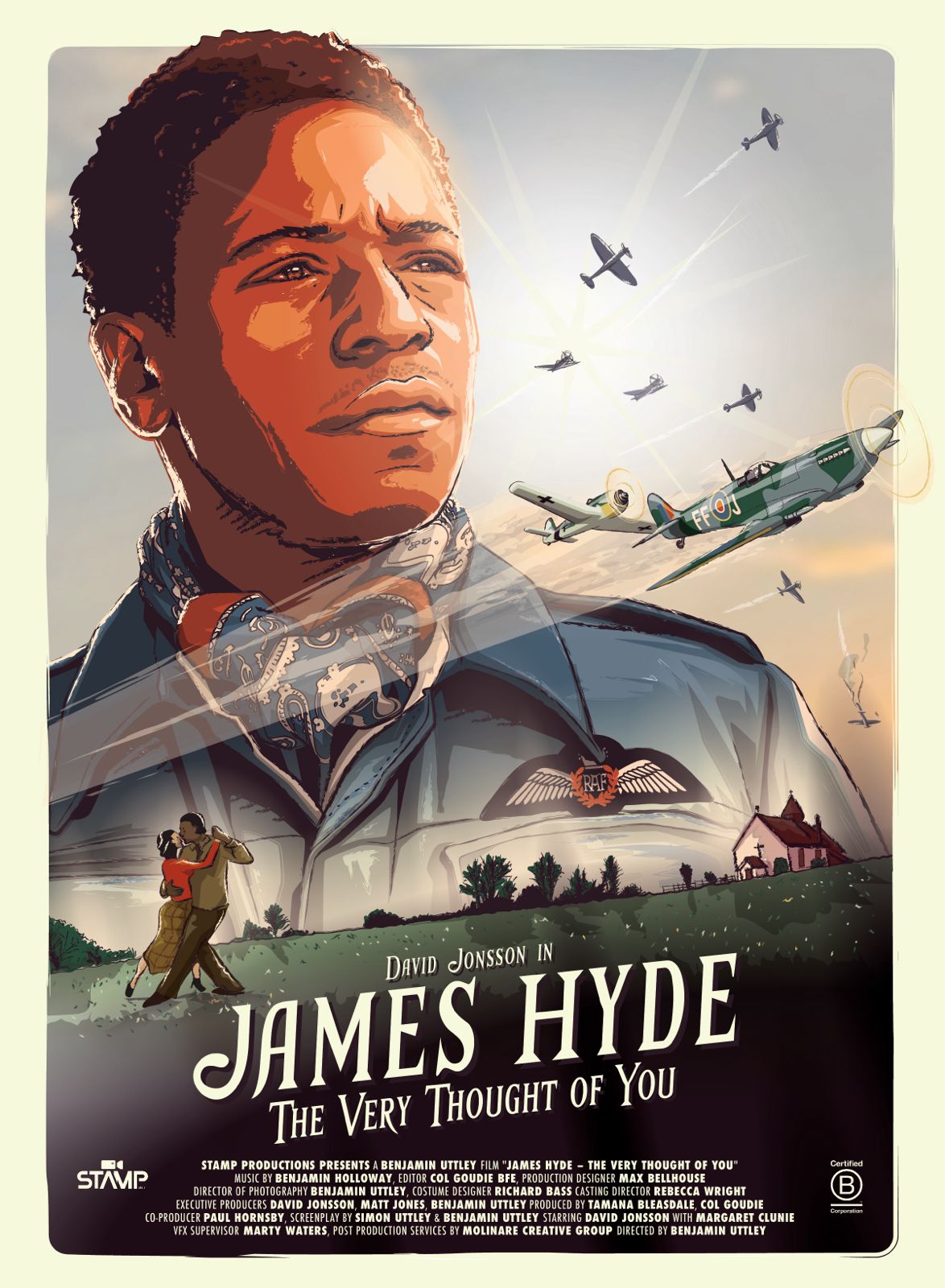
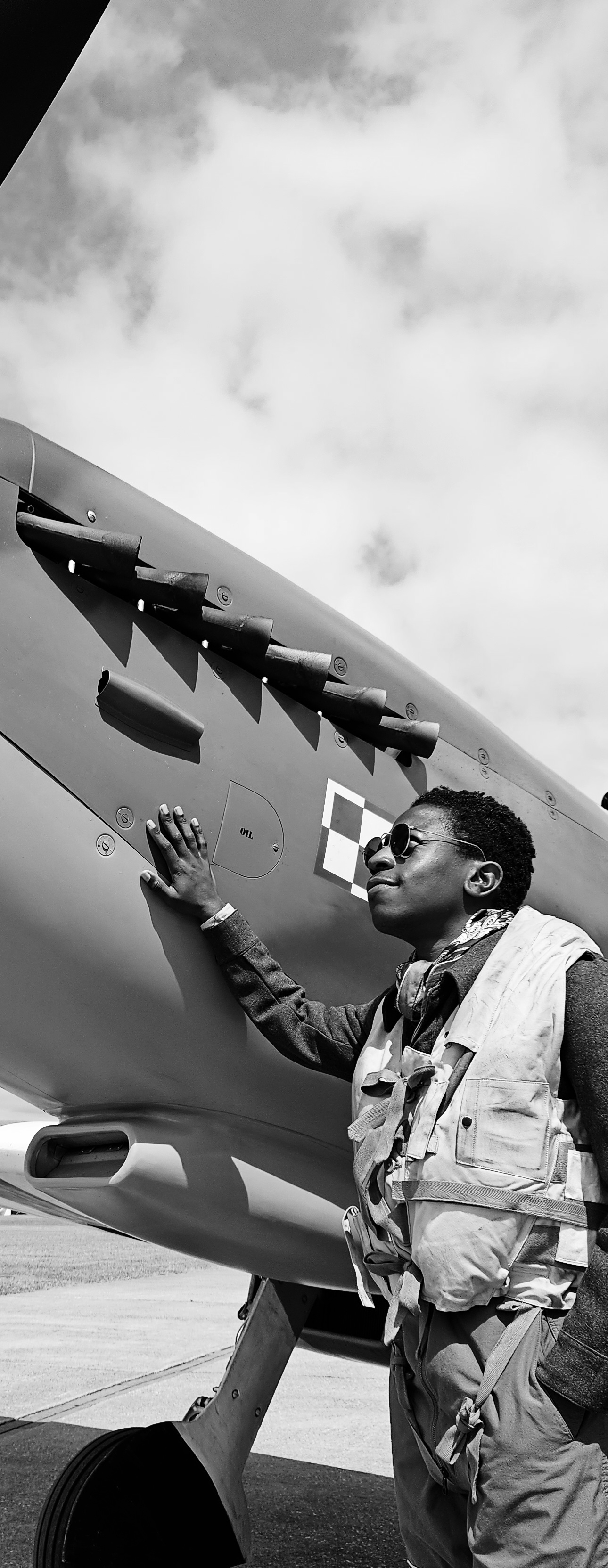
New Short Film by STAMP Productions: Historical advice by Mark Hillier, Film due out December 2024.
The film is based around the story of James Joseph Hyde, a Volunteer for the RAF from Trinidad, son of Joseph and Millicent Hyde, of San Juan, Trinidad. He had arrived for training as pilot in 1942. Sadly, after promotion to Warrant Officer he was to be killed in action on the 25 September 1944 whilst flying Spitfire IXE, PL316. Hyde flew the Silver Spitfire (MJ271) on 27 April , taking her on a fighter umbrella sortie to Marauders attacking gun emplacements in the Hardelot-Furnes areas of France. All the aircraft made it back safely with no fighters seen and little flak reported. The afternoon saw Hyde again take MJ on a similar sortie, this time to attack marshalling yards around Arras. The squadron records show that maybe the bombing was not that accurate as one comment states ‘Many Frenchmen are now Homeless!’ The Spitfires and Bombers did encounter some flak on the last sortie of the day, but no damage was reported.
Updates from STAMP :- Excited to share the official poster for our WWII short film based on the true story of Warrant Officer James Hyde, a Trinidadian RAF pilot who sacrificed everything for freedom.
Starring @davidjonsson__ David Jonsson (Alien: Romulus, Industry) and directed by myself, this film captures the intensity of aerial combat and the emotional journey of love and heroism.
Huge thanks to @spitfiresdotcom, @cookeoptics, @molinarepost Creative Group, Tamana Bleasdale, Benjamin Hollway, and all the incredible cast and crew involved in bringing this special story to film in breathtaking 8K.
Stay tuned for more updates as we head toward our 2025 theatrical and festival release! A @stampproductions film by @benjamin_uttley
Poster art by @r4thbone
#WWIIFilm #TrueStory #ShortFilm #JamesHydeFilm #FilmAnnouncement
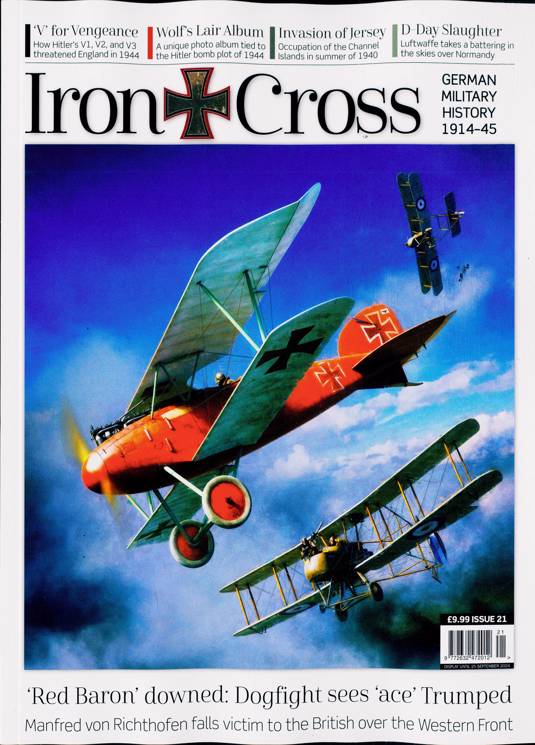
Iron Cross Magazine article on the Shooting Down of the Red Baron
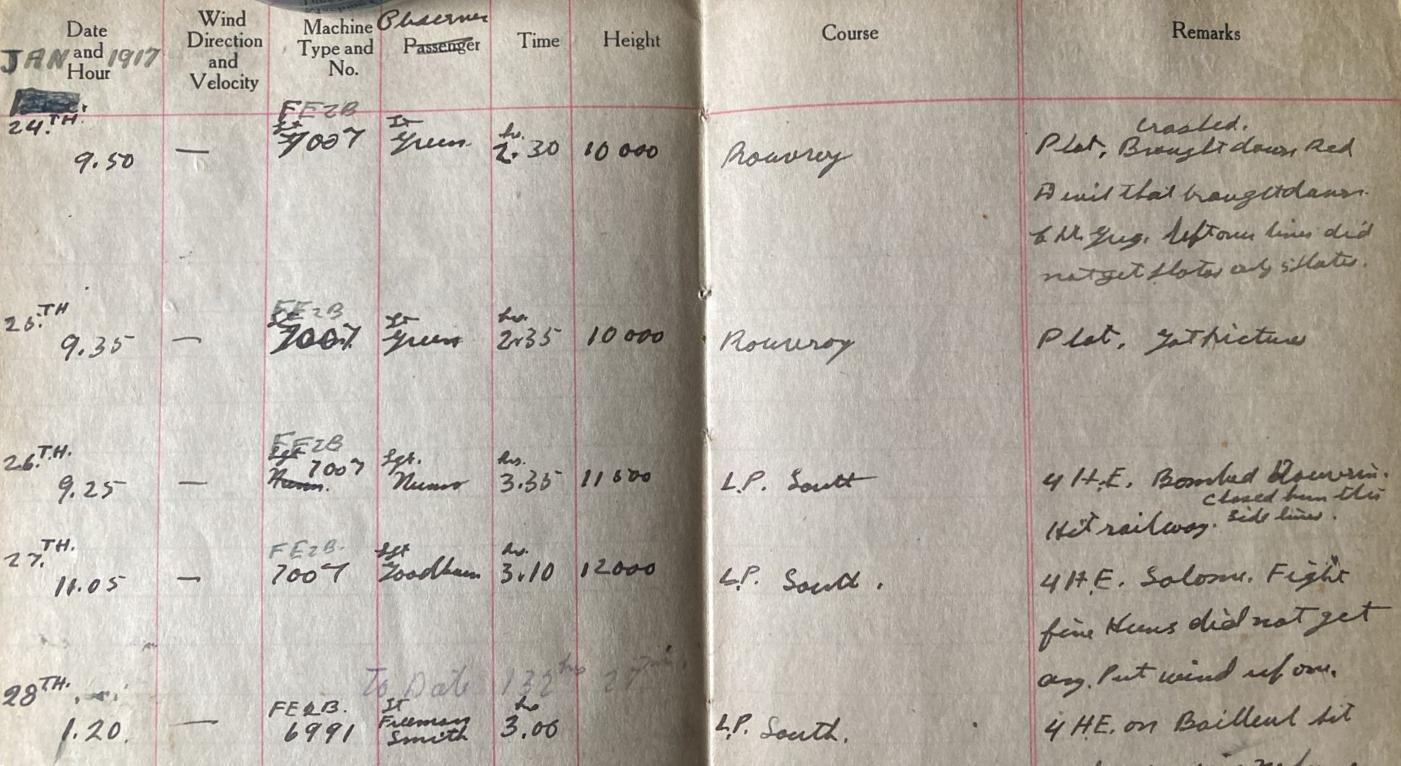
I acquired the Great War Royal Flying Corps logbook of Captain William Drummond Matheson MC in 2022 and although a fantastic piece of history in its own right, my attention was drawn to a brief five-line entry on 24 January 1917. It immediately raised the question as to whether Matheson was in fact the first Allied pilot to force down the famous Red Baron.
Born on 7 August 1890, William Drummond Matheson hailed from New Glasgow, a regional municipality of Durham in Ontario, Nova Scotia, Canada. The son of William G. Matheson, an engineer and boilermaker, the younger William had been expected to follow in his father’s footsteps, with his education directed towards this end.
It was sometime after the outbreak of war that Matheson answered the call to serve King and Country. Aged 25, he volunteered for the Royal Flying Corps in 1915. As an Air Mechanic, he was posted to the Wright Flying School in Augusta, Georgia, to train as a pilot on a Wright biplane. It was there that he officially gained his pilot’s licence on 6 March 1916.1
After arriving in the UK in July 1916, Matheson continued his training at RFC Sedgeford, by now at the controls of the Maurice Farman Shorthorn. He was posted to 25 Squadron, then based in France, on 6 September 1916. His first flight over the Western Front, in one of the squadron’s Royal Aircraft Factory F.E.2bs, took place five days later.
Flying from Lozingham, Matheson’s first combat sortie took place on 11 September 1916. With the Battle of the Somme raging below them, this was a busy time for 25 Squadron, with bombing sorties on German troop positions, rail yards and airfields, or photographic reconnaissance missions all forming the daily routine.
The following entry within his log lead to me writing an article for Iron Cross Magazine on this particular combat which was intriguing!!! Was he in fact the first pilot to claim combat and a "driven down" claim over the Red Baron, or Red Devil as he was then known?
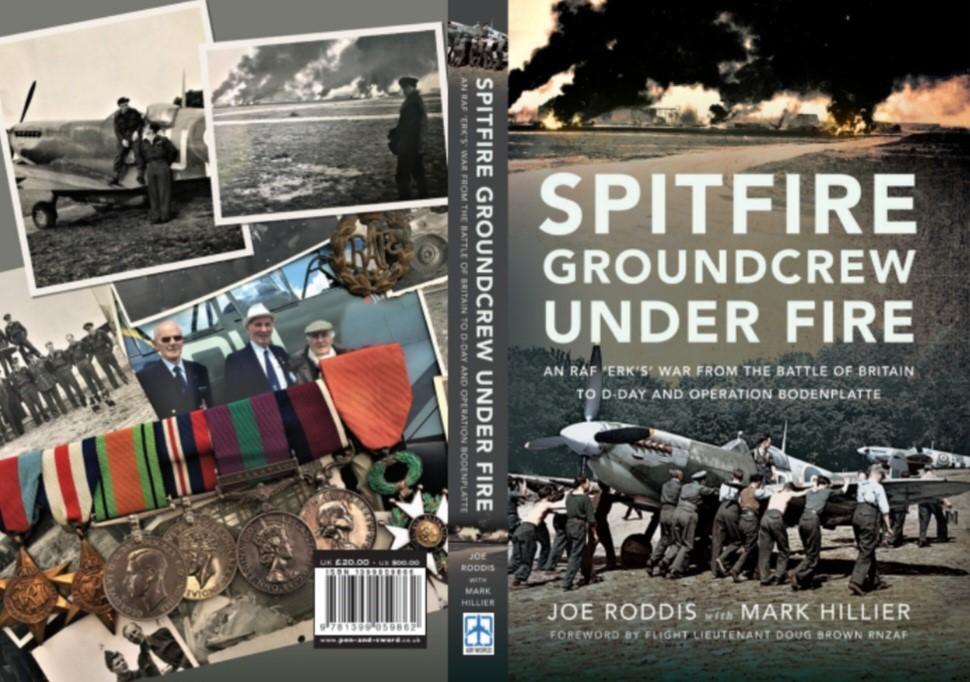
Re-release of Joe Roddis book with Air World
During lock down, I spent much of my time going back through Joes diary and interviews that we had carried out over our many meetings and trips before his death in 2017. I always wanted to re-write and add to the text of the first book 'In Support of the Few' which we did as a self published book as well as add many more of Joes photos of his amazing career. So I'm pleased to announce that Air World are to re-release this re-mastered edition this year. This is now out on sale on Amazon, Waterstones or Pen and Sword website.
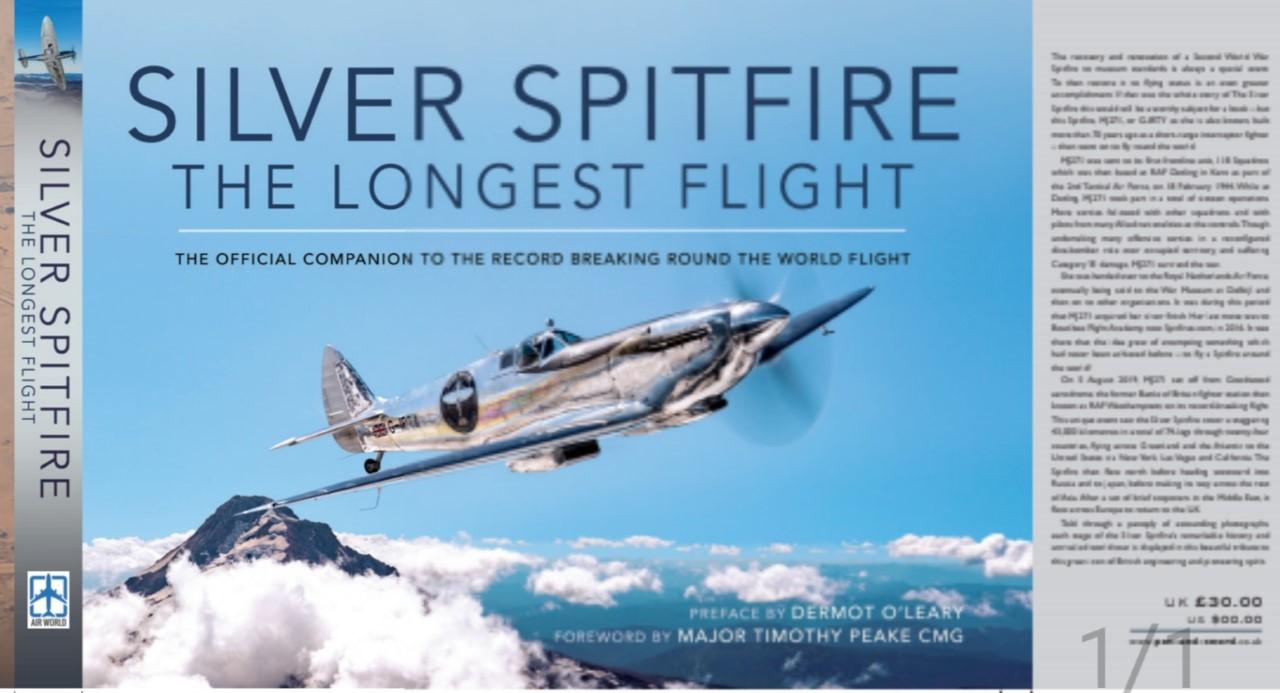
The Longest Flight:- Now out on sale!!!
I am pleased to have worked with Matt Jones and the Longest Flight team on the production of a coffee table book on the amazing achievement of the team in 2019. The book is now completed and now on sale at Spitfires.com shop . It has some fantastic images taken by Ben Utley on the trip, showing off the beauty of The Supermarine Spitfire and in particular G-IRTY, the star of the show.
© Copyright Mark Hillier